Melchor Jaemond Aranas
Managing Partner • Corporate Law
Atty. Aranas serves as the firm's managing partner, specializing in business and corporate law.


Servicios Legales

SOBRE NOSOTROS
We are a Philippine-based law firm providing clear, strategic counsel to individuals and businesses. Our approach is practical and thorough—focused on protecting rights, managing risk, and achieving results.
Whether you need representation in disputes, support for corporate growth, or guidance on immigration matters, we combine careful preparation with responsive client service at every step.
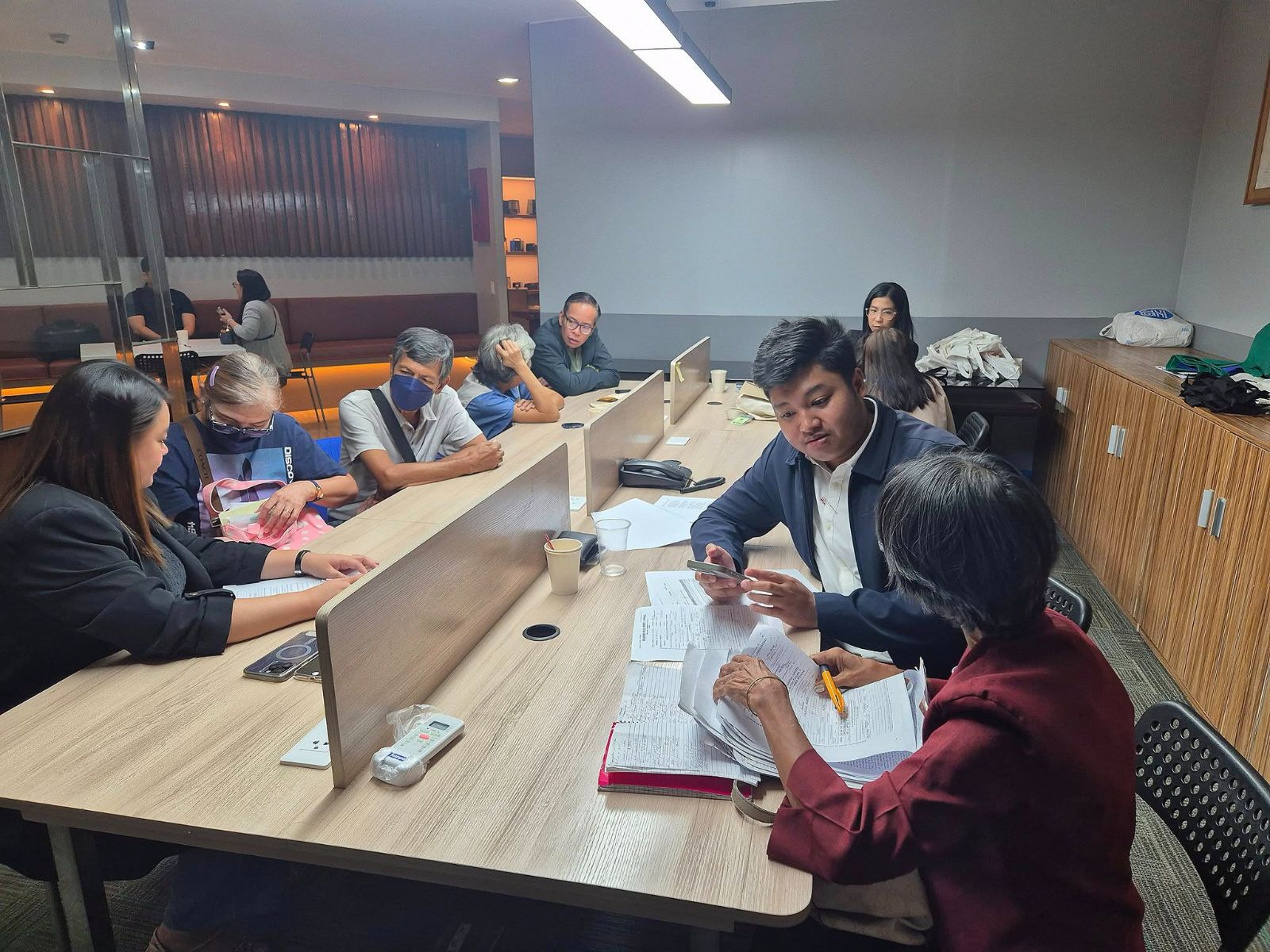
We provide clear and strategic legal services. From litigation to corporate and immigration matters, we help you move forward with confidence. Inquire Now
Acusación y defensa en casos penales
Procedimientos de Nulidad, Reconocimiento de Sentencias de Divorcio Extranjeras, Custodia de Menores, Relaciones de Propiedad, etc.
Resolución de disputas laborales
Preparation of corporate documents such as contracts, deeds, certificate, etc.
Fusiones, Adquisiciones, Expansión, etc.
Preparación de solicitudes de visa como la Visa Especial de Residente Jubilado (SRRV), Permisos de Empleo para Extranjeros (AEP), Visas de Inmigrante/Cónyuge No Sujetas a Cuota 13(a) y otras visas basadas en la familia
Estructuración y registro de entidades estadounidenses para visas L-1 y E-2, seguido de cumplimiento continuo y mantenimiento corporativo posinmigración, así como preparación para solicitudes de visas L-1 y E-2.
Perspectiva
Actualizado el 16 de Sept, 2025
La Inteligencia Artificial (IA) ya no es un concepto futurista — está integrada en nuestra vida diaria. Los estudiantes usan IA para mejorar la investigación, los profesionales la aprovechan para agilizar los flujos de trabajo, y los creativos la emplean para dar vida a ideas audaces. Pero a medida que la IA se vuelve más poderosa, también plantea preguntas urgentes sobre privacidad, responsabilidad y uso ético. Este artículo busca dotar a organizaciones, innovadores y equipos de cumplimiento de una base clara para construir sistemas de IA responsables y legales.
Aún no existe una ley de IA única y completa en vigor en Filipinas. Pero hoy en día rigen reglas aplicables al desarrollo y uso de la IA, lideradas por la Ley de Privacidad de Datos (DPA) y el Aviso de la Comisión Nacional de Privacidad (NPC) de 2024 sobre IA, además de las normas de comercio electrónico y modelos del sector financiero, regulaciones de criptoactivos, directrices políticas de la Corte Suprema y orientaciones de seguridad nacional. El Congreso también tiene varios proyectos de ley sobre IA pendientes.
The core privacy law that applies to AI right now is the Privacidad de Datos Act of 2012 (RA 10173) and its Reglas y Reglamentos de Implementación. Esta ley es neutral desde el punto de vista tecnológico y se aplica a cualquier procesamiento de datos personales, incluidos los datos utilizados para entrenar, probar y desplegar sistemas de IA. El Aviso de la NPC 2024-04 recuerda a los controladores de información personal asegurar la precisión, equidad, transparencia y limitación de propósitos al procesar datos mediante flujos de trabajo de IA. Las organizaciones deben divulgar el propósito y explicar en qué medida la IA afecta los datos, y hacer que esta información sea fácilmente accesible para los interesados.
NPC Advisory Opinion No. 2024-002 (January 2024) further clarifies that the use of AI is permissible under the Privacidad de Datos Act of 2012 (RA 10173), provided that Personal Information Controllers (PICs) continue to comply with the Act’s general privacy principles. PICs using AI must:
NPC emphasized that there is “no manifest conflict” between AI use and the DPA, but accountability for AI-driven processing remains with the organization.
NPC Advisory No. 2024-03 (Guidelines on Child-Oriented Transparency) goes further by requiring additional safeguards when AI systems process or are likely to process children’s personal data. Key obligations include:
These measures should be applied to any AI system targeting or likely to be used by minors.
With the rise of digital commerce, AI-enabled platforms face heightened obligations under the Internet Transactions Act of 2023 (RA 11967) and its IRR. These rules cover business-to-business and business-to-consumer transactions, requiring platforms and merchants to be transparent, register when required, and implement takedown procedures for scams and unsafe products. AI-powered chatbots, recommendation engines, and ad-tech systems must be fair, accurate, and explainable to consumers.
AI tools may inadvertently create exposure under other laws. The Cybercrime Prevention Act (RA 10175) penalizes online fraud, identity theft, and hacking — risks amplified by generative AI misuse. The Electronic Commerce Act (RA 8792) protects the integrity of e-documents and signatures, which AI systems must not forge or falsify. The Consumer Act (RA 7394) prohibits deceptive or unfair trade practices, including misleading AI-generated ads or fake reviews. Likewise, the Intellectual Property Code (RA 8293, as amended) may be triggered when AI systems generate works that infringe on existing IP rights.
The Philippines has seen rapid growth in crypto-assets, with AI playing a dual role as both risk vector and security solution. The SEC Memorandum Circular Nos. 4 & 5 (2025) set out the Crypto-Asset Service Provider (CASP) Rules and Guidelines, requiring registration, capital adequacy, and risk monitoring. CASPs are encouraged to deploy AI tools for fraud detection, anti-money laundering monitoring, and market integrity surveillance.
The judiciary is also embracing AI. The Supreme Court’s Strategic Plan for Judicial Innovations (SPJI) 2022–2027 includes AI research to improve court efficiency. In November 2024, Senior Associate Justice Marvic M.V.F. Leonen shared that the Supreme Court was drafting an AI Governance Framework for the Judiciary to ensure ethical and responsible use. In May 2025, Chief Justice Alexander G. Gesmundo shared the positive results of the pilot implementation of an artificial intelligence (AI)-powered voice-to-text transcription tool (Scriptix). Chief Justice Gesmundo emphasized that AI will support — not replace — human court stenographers.
However, courts have warned against misuse. The Sandiganbayan admonished a lawyer for submitting AI-generated pleadings with fictitious citations, citing the Code of Professional Responsibility and Accountability (CPRA) which forbids misleading courts.
In July 2024, the Department of Trade and Industry (DTI) launched the National AI Strategy Roadmap 2.0, aiming to position the Philippines as a leading AI research hub. The plan promotes industry adoption, workforce upskilling, and responsible use guided by principles of transparency, fairness, and accountability. In parallel, a memorandum was issued by Defense Secretary Teodoro cautioning AFP and DND personnel against AI-generated photos and apps that pose identity theft and phishing risks.
Lawmakers have filed several measures to create a comprehensive AI regulatory framework. These include:
Together, these measures promise to establish clear guardrails for safe, ethical, and accountable AI.
The checklist below translates key legal requirements and policy guidance into practical actions for AI development teams and compliance officers:
The Philippine regulatory landscape for AI is evolving rapidly, and several key developments are on the horizon:
Organizations should not wait for the Philippine “AI Act” to be enacted before acting. By building governance programs now, they can reduce risk and build user trust. Key steps include:
Compliance should be seen not as a cost, but as a strategic investment that positions the organization as a leader in responsible and ethical AI.
Have a legal inquiry or need assistance? Fill out the form, and our team will get back to you shortly.
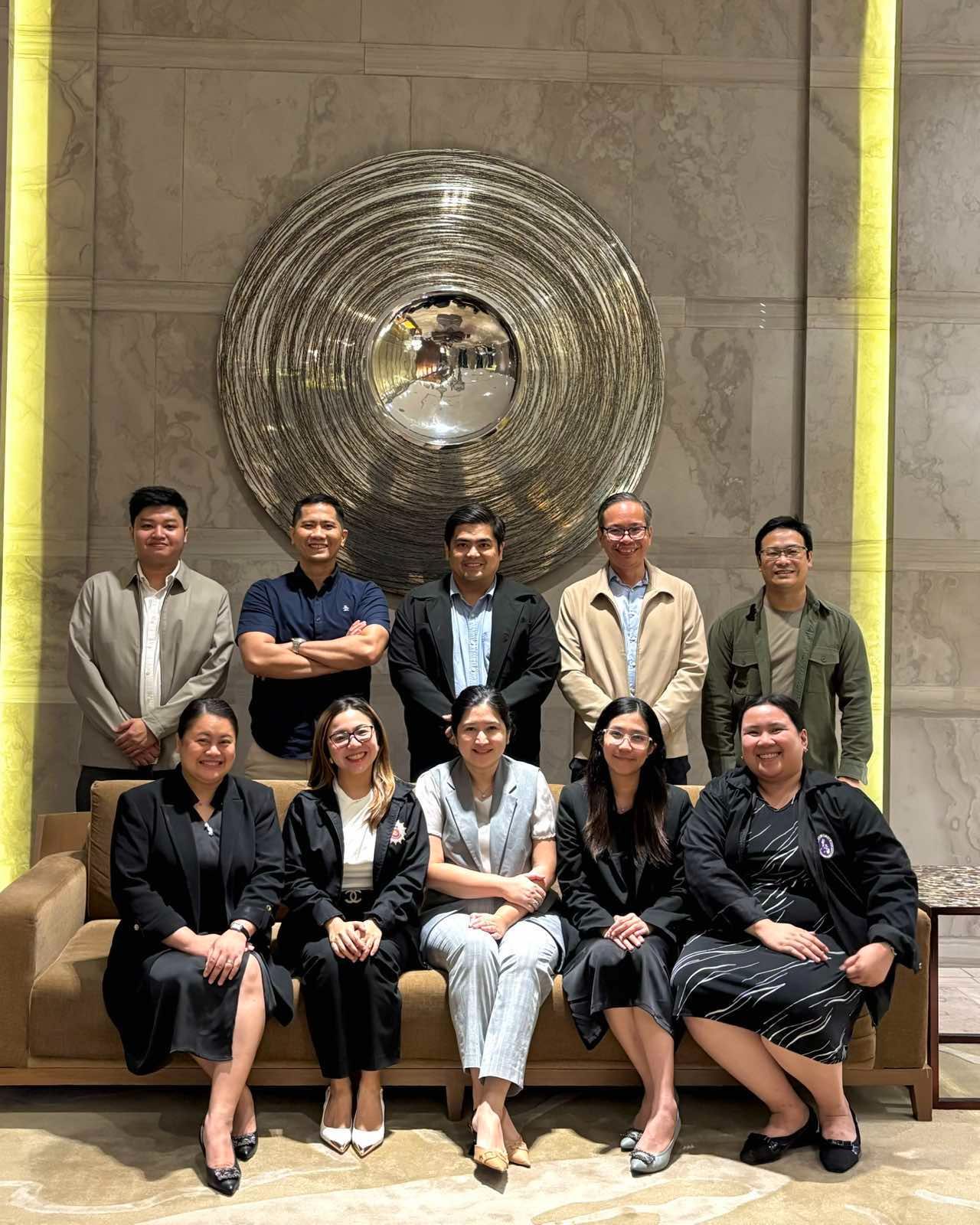
Conozca a los asociados que apoyan nuestra práctica.

Ed Vinson Quintin
Senior Associate • Litigio
El abogado Quintin se graduó de la Universidad de Santo Tomás y aprobó los exámenes de la barra de forma ejemplar en 2020.

Mera Lyka Timan
Asociada Senior • Laboral
La abogada Timan se graduó del Pamantasan ng Lungsod ng Maynila, especializándose en derecho laboral.

Aileen Bobadilla
Asociada Junior • Corporativo y Fiscal
La abogada Bobadilla es Contadora Pública Certificada y abogada de la firma en casos fiscales y corporativos.

Precius Aiah Anies
Asociada Junior • Propiedad Intelectual
La abogada Anies se graduó del Pamantasan ng Lungsod ng Maynila y se especializa en casos de propiedad intelectual.

Ma. Patricia Atayde
Asociada Junior • Corporativo
La abogada Atayde se graduó del Pamantasan ng Lungsod ng Maynila y se especializa en la práctica corporativa de la firma.

Arthur Melindo
Junior Associate • Litigio
El abogado Melindo se graduó como el mejor de su promoción de la Universidad Politécnica de Filipinas, manejando casos penales y civiles.
| Estado | Nombre | Correo | Mensaje | Fecha |
|---|
No hay mensajes aún.